
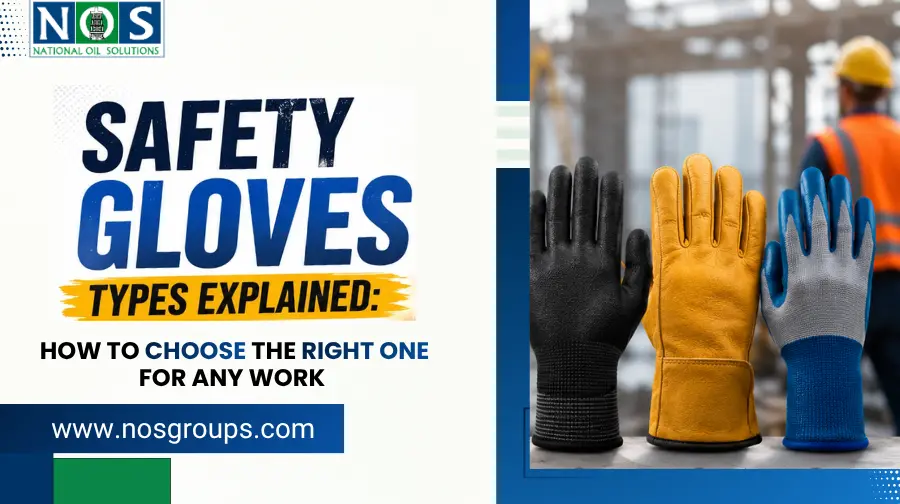
Safety Gloves Types Explained: How to Choose the Right One for Any Work
To choose the right one among various safety glove types, you need to understand your main workplace hazard, like cuts, and match it to the ideal glove material. When choosing safety gloves for your workers, make sure they perfectly fit, as very tight gloves can limit movement and tight ones can cause hand fatigue.
Business owners must understand that protecting their workforce starts with choosing the right hand protection. Selecting the right types of gloves for your workers’ safety can feel difficult and confusing. However, in reality, you just need to focus on some key factors like what items they deal with the most, material standards, size, and more. The perfect pair of gloves not just saves them from unexpected accidents but also improves your operations. Read on to learn more about safety gloves, their types, and how to choose the right ones.
Table of Contents
What are Safety Gloves?
Safety gloves are special protective gear that are designed to protect the hands of workers from workplace injuries and accidents like cuts, chemicals, burns, and high temperatures. Whether your team handles the sharp tools, works in high temperatures, or deals with chemicals, the right types of safety gloves keep them safe and prevent serious injuries. However, choosing the right one is never simple for most business owners.
What Are the Types of Safety Gloves?
You must know the details about safety hand gloves types so that you can easily select what specific type matches your industry hazards. Gloves are designed to protect your hands from job-specific injuries like cuts, burns, and chemicals. Many options, ranging from leather to disposable materials, are available.
| Glove Type | Made From | Protects From | Best Industries |
| Leather Gloves | Made from durable and heat-resistant natural material. | Heat, sparks, moderate cuts, and abrasive surfaces. | Welding, construction, and general heavy-duty labor. |
| Chemical-Resistant Gloves | Synthetic rubber (Nitrile, Neoprene, PVC, or Butyl) | Hazardous acids, bases, solvents, oils, and toxic liquids. | Chemical manufacturing, labs, and petrochemicals. |
| Cut-Resistant Gloves | Made with high-performance fibers (like Kevlar or HPPE) and varying coated palms. | Punctures and slices from sharp objects, glass, or blades. | Metal fabrication, glass handling, food preparation, and automotive. |
| Disposable/Light Duty Gloves | Typically made from Nitrile, Latex, or Vinyl. | Light chemicals, oils, dirt, bio-hazards, and cross-contamination. | Healthcare, food service, painting, and electronics assembly. |
| Impact & Anti-Vibration Gloves | Padded palm inserts and dorsal TPR armor | High-frequency power tool vibration and sudden crushing blows to the knuckles. | Heavy construction, oil/gas, demolition, and grinding/sanding. |
| Strong Knit Gloves | Seamless breathable string knit fibers | Minor abrasions, grease, and dirt while maintaining high dexterity. | Warehousing, light assembly, packaging, and general maintenance. |
1. Leather Gloves
Leather gloves are rugged with a good grip that makes them perfect for construction workers and welders. They offer protection from sparks, heat, and rough surfaces. They should not be used in cases where there is harsh chemical cleaning.
2. Chemical-Resistant Gloves
The chemical resistant gloves are made using materials such as nitrile, neoprene, vinyl and latex. They are designed to protect the wearer against hazardous liquids, solvents and chemicals. Such gloves are often used by laboratory technicians, cleaners and manufacturing employees. Nitrile gloves can be used with oils and grease, and neoprene is effective against certain organic acids.
3. Cut-Resistant Gloves
Cut resistant gloves safeguard the wearer’s hands against injuries such as cuts and scratches from sharp equipment, blades, and glass. These gloves can be made from various materials like Kevlar, woven metal, or stainless steel mesh that provide high levels of protection.
4. Disposable or Light Duty Gloves
These thin, disposable gloves are made of nitrile, vinyl, or latex. They are popularly used in medical, laboratory, and food industry settings to guard against bacteria and contamination. They provide protection against dirt and mild cleaning agents but do not protect from cuts and heat.
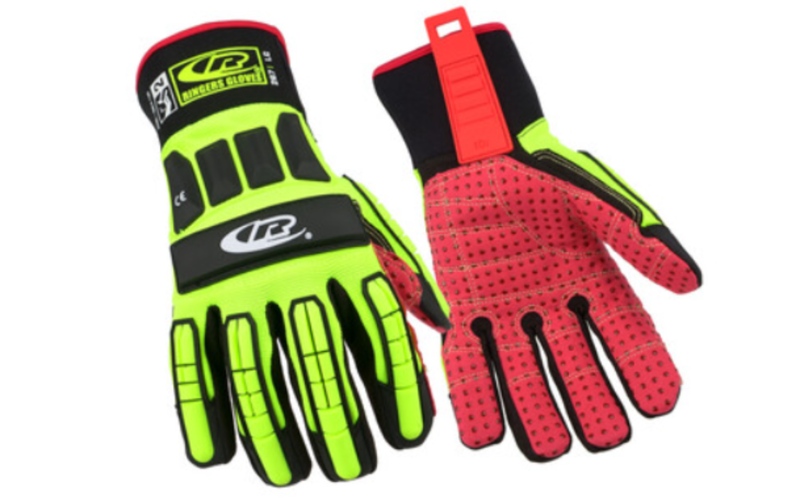
5. Impact or Anti-Vibration Gloves
The gloves are fitted with unique cushioning in the palms, fingers, and backs of the hands in order to absorb shock and vibration. The gloves are normally used in automotive, oil drilling, and demolishing activities in order to prevent hand injuries.
6. Strong Knit Gloves
Crafted from closely knit yarns, such gloves are comfortable, breathable, and flexible. They suit everyday tasks, outdoor jobs, sorting operations, and light assembly. Some types of these gloves feature a coated palm for enhanced gripping ability.
How to Choose the Right Safety Gloves Types?
Choosing the right among the different types of safety gloves available is all about matching the specific hazards of your job with the right material and fit. Firstly, you need to identify your primary risks, how much finger movement the job requires, and then focus on other factors.
- Identify the Hazard: You must know the main risks at your job, like whether you are dealing with sharp material, electrical wires, high temperatures, or harsh chemicals.
- Pick the Right Material: Nitrile is great for blocking liquids or chemicals, while leather provides the best protection against sparks and heat. You can contact a trusted safety gloves supplier Saudi Arabia to know which material provides the best protection from your job-specific hazard.
- Check the Fit and Comfort: You must make sure the safety gloves fit securely but comfortably. If they are too big, you will lose your grip; if they are too small, they will limit the finger movement and tire your hands.
- Balance Protection and Dexterity: If you are doing precise assembly work, you need a thinner glove. However, you must invest in heavy-duty safety gloves if you are doing heavy construction, as they provide better protection.
- Check Safety Ratings: You must know that there are different safety ratings for different safety gloves types. So, when choosing the right one for your industry, you need to make sure the chosen one matches the required safety standards.



Safety Gloves Types: Maintenance, Inspection, & Storage Tips
Choosing the right material for a safety glove ensures you are protected from cuts, chemicals, or high temperatures. However, you must follow some basic maintenance, inspection, and storage tips to ensure they are in perfect working condition.
Maintenance Tips
- Clean them regularly: Make sure you wash the reusable gloves with mild soap and slightly warm water. You must never use harsh chemicals, as they can damage the protective material.
- Turn them inside out: You must ensure both the outside and the inside of the glove are cleaned and dried if they were exposed to sweat or chemicals.
- Air dry: It is best to let safety gloves dry naturally. You must avoid putting them on direct heaters or in hot ovens, as this can melt or deform them.
Inspection Tips
- Check for holes and tears: Before you put on your gloves for every job, you must look for rips or punctures. Even a small hole can ruin the glove’s safety.
- Test for leaks: To inspect your rubber gloves for safety, you should roll up the open end tightly so air is trapped inside. Then press the glove to push the air into the fingers. Hold the glove near your ear to check for any hissing sounds of escaping air.
- Check for Thin Spots: Hold your gloves up to a bright light and check the fingertips and palms to see if the rubber is wearing thin. Stretch the material gently to ensure it still has strength.
Storage Tips
- Keep them Clean: You must never store any types of gloves of dirty or chemically exposed gloves in your locker or bag.
- Safe Spot: Make sure you store safety gloves in a cool, dry, and dark place. If you place them in direct sunlight or high heat, their materials can be damaged.
- Don’t Fold or Squish: You should either lay them flat or hang them up. Electrical and heavy rubber gloves must never be folded, as folding can result in cracks.

Get Ideal Safety Gloves for Your Industry
Businesses need to understand that the protection of their workforce is a must to maintain smooth operations and high productivity. Investing in the right types of safety gloves ensures workers can work comfortably without worrying about injuries. Whether you need thick leather gloves for heavy lifting or strong nitrile gloves for chemicals, a trusted supplier can help you access them all.
Connect with National Oil Groups, a leading safety gloves supplier Saudi Arabia, to get the right hand protection for your workers. We will help you identify the exact hazards your workers face and choose the right type. You not only upgrade the safety of your workforce with the right selection but also ensure uninterrupted tasks. Contact our team to explore our safety glove types and get certified and top-quality hand protection solutions today.
Also Read – Butterfly Valve Symbol – Meaning, Types & Applications