
Mistakes to Avoid When Selecting API 20E Fasteners in KSA
Selecting API 20E fasteners in Saudi Arabia (KSA) requires strict adherence to quality standards due to harsh environmental conditions and the critical nature of oil and gas operations. Avoiding mistakes while sourcing prevents costly failures, severe corrosion, hydrogen embrittlement, or catastrophic failure, and ensures compliance with Aramco or SABIC standards.
The API fasteners are highly durable and specialised bolts, nuts, and studs, used in the critical industrial applications of Saudi Arabia. Yet many procurement specialists and engineers make some common mistakes while purchasing that can lead to severe and hazardous damage. Therefore, this guide walks you through the mistakes to avoid when purchasing API fasteners, while explaining why they are critical.
Table of Contents
What Mistakes to Avoid When Purchasing API Fasteners?
| Mistake | Impact |
| No MTCs | No material verification or compliance. |
| Ignoring Traceability | Difficult to verify product quality. |
| No Certificate of Conformance | Standards cannot be confirmed. |
| Choosing Low Cost | Higher risk of failure. |
| Non-Monogrammed Fasteners | Lack of certified quality. |
| Confusing API 20E & 20F | Wrong fastener selection. |
| Ignoring BSL | Unsuitable for critical applications. |
| No NACE Compliance | Increased corrosion risk. |
| Choosing Non-Specialized Suppliers | Poor quality and delayed projects. |
| Ignoring Local Suppliers | Limited support and slower delivery. |
| Improper Coating | Reduced corrosion protection. |
| Ignoring Galling | Fasteners may seize during use. |
| Ignoring Galvanic Corrosion | Premature material damage. |
API fasteners in Saudi Arabia are small yet critical components of major operations in the oil and gas industry, petrochemical refineries, energy, marine, and related sectors. Making small mistakes during selection and thinking they won’t make a big difference can lead to catastrophic damage and even loss of life. These API bolting solutions are designed to improve operational safety, durability, and long-term equipment reliability.
Here are the mistakes to avoid when purchasing API fasteners in Saudi Arabia:
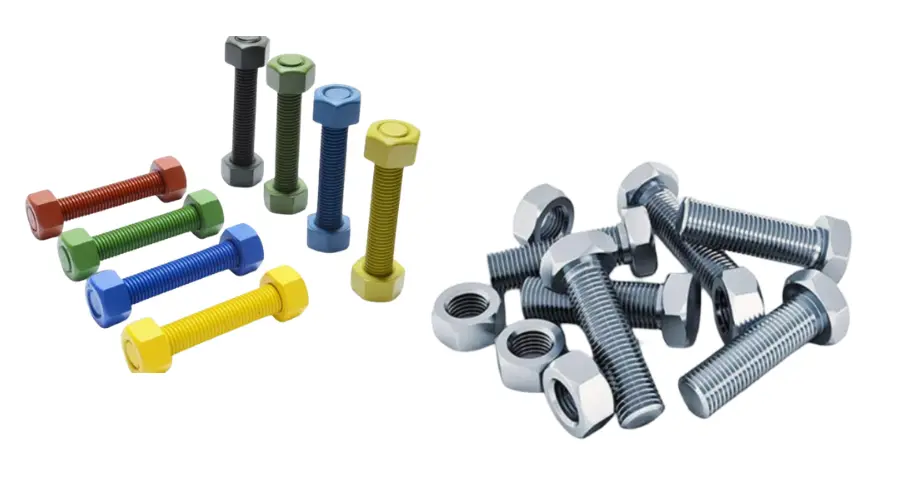
1. Not Demanding Material Test Certificates (MTCs)
The Mill Test Certificates or Mill Test Reports are compliance certificates for the API fasteners, as they verify raw material compatibility and compliance with API 20E and 20F standards, traceability, and safety in oil and gas projects. Not demanding this certification from the supplier can cause critical conditions.
2. Ignoring Full Traceability
Traceability of the API fasteners plays a vital role in raw material verification, heat numbers, Mill Test Certificates (MTCs), and manufacturing records. In Saudi Arabia, overlooking full traceability is a major risk factor.
3. Overlooking Certificates of Conformance
The Certificates of Conformance are a formal document, issued by the manufacturer, confirming that the fasteners meet the stringent regulations of the API 20E or 20F standards. Overlooking this certificate means treating a critical component as a minor commodity.
4. Choosing Lowest Cost Over Quality
To save upfront costs, many companies tend to outsource cheap API fasteners in Saudi Arabia. Making this mistake during the purchase compromises quality, long-term reliability, and safety, as substandard or uncertified bolting materials cannot withstand high pressure and critical environments.
5. Accepting Non-Monogrammed Fasteners
The non-monogrammed API fasteners are not recommended as they lack verified quality assurance and traceability mandated for high-risk applications, especially where API 20E or 20F certifications are mandatory.



6. Not Differentiating 20E and 20F API Fasteners
In Saudi Arabia, 20E and 20F fasteners differ in applications and raw materials.
- API 20E Fasteners: They are made up of alloy and carbon steel and used for construction, maintenance, and pressure-containing operations.
- API 20F Fasteners: API 20E Fasteners Saudi Arabia are made from corrosion-resistant materials and withstand aggressive environments.
7. Ignoring Bolting Specification Levels (BSL)
Bolting Specification Levels (BSL) define critical standards like product integrity for the API fasteners in different industrial operations. Choosing the right level depends on the type of industrial application you need, and failure in this leads to hazardous operational issues.
8. Ignoring NACE Compliance
Mandated under the Saudi Aramco standards, such as SAES and SAMSS, NACE Compliance is required for API fasteners. It is required for the oil and gas and petrochemical applications where corrosive resistance from Hydrogen Sulfide is required.
9. Selecting Non-Specialized Suppliers
Another one of the most common mistakes when buying API 20E fasteners or 20F fasteners is opting for non-specialised suppliers in Saudi Arabia. This not only shows irresponsibility but can also lead to catastrophic project delays, financial penalties, and structural failures.
10. Ignoring Local Presence
Local API fasteners supplier in Saudi Arabia, like National Oil Groups, has the precise knowledge of material compatibility, industrial requirements, and compliance and quality standards.
11. Improper Coating Selection
Improperly coated API 20F and API 20E fasteners Saudi Arabia cannot withstand high pressure, high-pressure hydrogen (HPHT), and corrosive conditions like salt spray in coastal areas like Jubail and Dammam. Overlooking this essential protective barrier is one of the common mistakes to avoid when purchasing API fasteners.
12. Galling of Stainless Steel
The API fasteners you are choosing must be designed with anti-galling properties to prevent cold welding and seizing during tightening. In the future, it can lead to a torn and roughened structure, which can create the need for cutting when removed.
13. Ignoring Galvanic Corrosion
Saudi Arabia’s harsh environment can accelerate the galvanic corrosive conditions for the fasteners. This occurs when two dissimilar materials come in contact, and there is moisture present containing salt, affecting the product’s integrity.
Conclusion
The API fasteners in Saudi Arabia are a critical aspect of operational efficiency, while acting as foundational components in oil and gas, drilling, petrochemical, marine, power, energy, and related industrial sectors. This guide acts as a guidebook assisting you with mistakes to avoid when purchasing API fasteners in Saudi Arabia.
National Oil Groups is a trusted supplier of engineering goods across the Gulf region, specialising in providing API certified fasteners to several industrial requirements. We provide API fasteners that meet stringent industrial standards while ensuring durability, safety, and high performance in demanding environments.
Also Read – Key Factors to Consider Before Buying Butterfly Valves in Saudi Arabia