
API 20E Fasteners Saudi Arabia Explained – A Practical Guide for the Oil & Gas Industry
API 20E fasteners are used to hold heavy machinery together in the oil and gas industry in KSA. These fasteners are special bolts and nuts made to handle high pressure, temperatures, and harsh conditions. Unlike standard fasteners, they meet the strict API rules. Not just in Saudi Arabia, these fasteners are used on projects across the Middle East and prevent leaks, fires, and dangerous accidents on drilling sites and in refineries.
By using the right and tested components offered by top API 20E fasteners Saudi Arabia suppliers, you can easily avoid costly equipment failures and maintain smooth operations. Keep reading, as this blog covers everything you should know about these fasteners, including BSL and why they are important for your next project.
Table of Contents
What is API 20E, and What are API 20E Fasteners, Saudi Arabia?
To understand what API 20E fasteners are, you need to know about API 20E. API 20E is a standard set by API for alloy and carbon steel bolting used in critical oil and gas equipment. This means API 20E represents the mandatory quality rules for making high-strength fasteners used in harsh oil and gas applications to prevent failure. This standard ensures that fasteners, like API bolts, nuts, and studs, can easily withstand extreme conditions, like high pressure and temperature and corrosive environments.
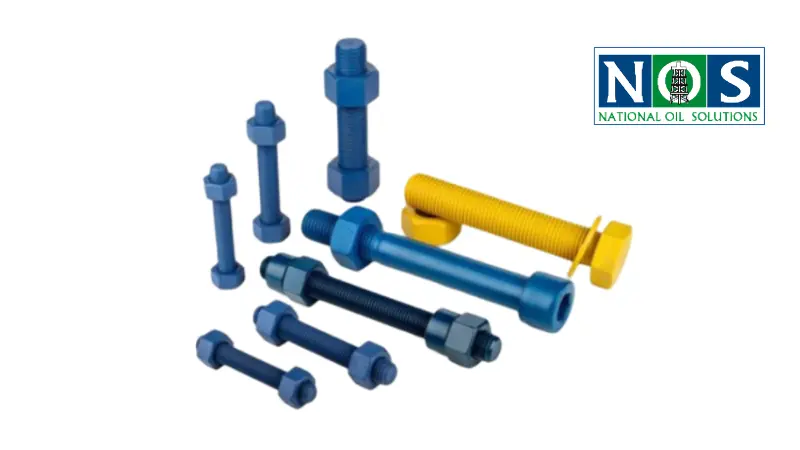
So, API 20 fasteners are special bolting components that are made to meet the strict rules of the API 20E. They are made from specific alloys and carbon steels and must go through a highly controlled process, including heat treatment, tough mechanical testing, and others. Every bolt is fully documented from raw material to final test to ensure maximum safety for critical equipment. API 20E fasteners Saudi Arabia suppliers offer genuine products, including api 20e bolts, that meet the required levels for specific project needs.
What are the Key Features of API Fasteners ?
API fasteners are specially made for critical applications in the oil and gas industry. Unlike standard commercial bolts, these components undergo strict checks during manufacturing, heat treatment, and many testing procedures. This ensures they can easily withstand harsh operating conditions. These are go-to solutions for high-pressure valves, wellheads, and subsea equipment.
- Extreme Temperature and Pressure Resistance: These fasteners are manufactured to hold together equipment that operates under high pressure and both very high and low temperatures. They ensure seals remain tight and issues like leaks don’t arise in drilling and production systems.
- Corrosion Fighting Capabilities: The API 20E standard ensures that fasteners can easily withstand the most aggressive environments. These bolts feature special protective coatings that resist salt air, chemical degradation, and corrosion.
- Anti-Galling Properties: These bolts are often huge, and their key feature is that the threads are designed to prevent galling. Galling means when threads stick together during installation or removal. Their special design makes maintenance faster and lowers the risk of damage.
- Uniform Load Distribution: These bolts are not like normal screws and are made with extreme precision. When they are tightened, the load is distributed evenly or shared by every thread. This prevents risks, like uneven pressure on gaskets.
- Standardization for Global Use: These bolts are manufactured to the API 20E standard. So bolts sourced in Saudi Arabia will allow global teams to perform repairs and replacements quickly without worrying about compatibility issues.



Why API 20E Certification Matters for KSA’s Oil & Gas Projects
In KSA’s energy sector, safety and reliable operations are two main priorities for business owners. Using API-certified fasteners ensures that your equipment never fails and you never face issues like costly shutdowns. Here is why these components offered by trusted API 20E fasteners matter:
- These can handle conditions like high heat and corrosive gases without breaking. This feature makes these fasteners a perfect option.
- Proper documentation is given priority during the production of these bolts. Understanding what the bolt is made of and where it came from is simple.
- Major projects in KSA need to comply with international standards. Using API 20E fasteners, you can ensure your equipment will pass inspections by relevant authorities.
- Although these fasteners are costly compared to standard bolts, they lower the need for unplanned and costly maintenance. These certified parts help you avoid frequent exchanges and repairs.
API 20 Fasteners Saudi Arabia: Bolting Specification Levels
| BSL Level | Application | Testing Level |
| BSL-1 | Standard Equipment | Basic Testing |
| BSL-2 | Moderate Risk Operations | Enhanced Testing |
| BSL-3 | Critical Offshore Applications | Highest Testing |
If you operate in the oil and gas industry, you must know that not all bolts are the same. API 20E fasteners Saudi Arabia suppliers offer fasteners that are used in various applications that involve high pressure, extreme heat, and safety risks. Bolting Specification Levels are used to match the bolt’s strength as a safety check to the danger of the job.
- BSL-1 (Basic Level): These bolts are used for standard applications and lower-risk equipment. They get basic quality inspections and need to meet minimum safety rules and performance standards.
- BSL-2 (Intermediate Level): These bolts are used for applications involving moderate risks. They require extra testing, like heat treatment, stricter paperwork, and mandatory non-destructive testing to find surface defects.
- BSL-3 (Highest Level): These are made for the most dangerous and high-pressure applications, like deep-sea equipment and high-pressure wellheads. Every single bolt of this level is tested to ensure zero failures.
Applications of API 20E Fasteners in the Oil and Gas Industry Saudi Arabia
API 20E fasteners in Saudi Arabia’s oil and gas sector are used for equipment that faces consistent high pressure, extreme heat, and operates in harsh conditions. Here are some of their main applications:
API 20E fasteners are widely used as industrial fasteners Saudi Arabia industries depend on for safety and operational efficiency.
- Refineries: They are used in pressure vessels, heat exchangers, and processing units exposed to high heat and continuous operations.
- Offshore Platforms: These are used in subsea equipment and wellhead systems that require high strength and corrosion resistance.
- Petrochemical Plants: In these plants, they are installed in reactors, piping systems, and compressors that handle aggressive chemicals and face consistent high pressure.
- Pipeline Infrastructure: API 20E fasteners are used in flanges, valves, and pumping stations where maintaining joint stability is necessary for leak prevention.

Manufacturing & Testing Requirements Under API 20E Saudi Arabia
Meeting the API 20E standard means each fastener has to pass strict manufacturing and testing rules. This ensures they are reliable and can be safely used in oil and gas settings. It is very important to understand that the level of control needed changes the exact testing and documentation required.
- Material Traceability: This means every fastener can be traced back to the original raw material source and manufacturing steps. This clear record is a must to confirm which material was used, when it was processed, and when it was heat-treated. This detailed tracking ensures quality issues are quickly found and isolated.
- Impact Testing: This testing is done to check how well the material of the fastener can absorb sudden force or shock without breaking. The Charpy impact test is used for BSL-3 fasteners. This testing is important, as equipment in oil and gas operations faces vibrations, pressure changes, and extreme conditions. Test results must meet specific energy absorption requirements at particular temperatures.
- Hardness Testing: This testing verifies that the fastener is neither too soft nor too brittle. If a bolt is too soft, it may deform. In case it is too hard, it can crack. So, this test confirms the material’s resistance to surface wear and confirms that the heat treatment was done correctly. The maximum hardness for many common grades is set at 34 HRC to prevent cracking problems.
- Chemical Composition Verification: This test confirms that the material used in the fastener contains the correct elements in the right proportions. This test is usually done by an accredited lab, and this step is important to ensure the material has the correct properties, like strength and corrosion resistance.
- Non-Destructive Testing (NDT): NDT checks for hidden defects without causing any damage to API 20E fasteners. For BSL-2 and BSL-3 fasteners, surface NDE is a mandatory test. This test is done on every single item. Fasteners larger than 2.5 inches also need internal checks using ultrasonic testing. This test improves safety by reducing the risk of failure during operations.
- Documentation and Records: API 20E also mandates proper documentation for manufacturing and testing. Test reports and certificates must be maintained to ensure compliance. Trusted API 20E fasteners Saudi Arabia suppliers and leading api fastener manufacturers work with top manufacturers to ensure their clients get only genuine products for their oil and gas projects.
Secure Your Operations with Our Certified API 20E Fasteners Saudi Arabia
Understanding API 20E fasteners and their manufacturing and testing requirements is necessary so that you can choose the right bolting components for your projects. This globally approved API standard ensures that fasteners are made from verified materials, tested for strength and defects, and can perform under extremely harsh conditions. By choosing the correct 20E bolting and specification level, you can reduce failure risks and improve equipment performance.
Whether your project involves pipelines, refineries, offshore platforms, or petrochemical plants, you can trust National Oil Groups for all your needs. As a trusted name among the leading API 20E fasteners suppliers, we ensure our clients get fasteners that meet the required industry standards. We confirm that each fastener passes all necessary testing steps, material checks, and other requirements. Connect with our team today to secure safe, certified, and custom bolting solutions for your offshore, petrochemical, or other projects.
Also Read – The 9 Main Types of Drill Pipe Float Valves