
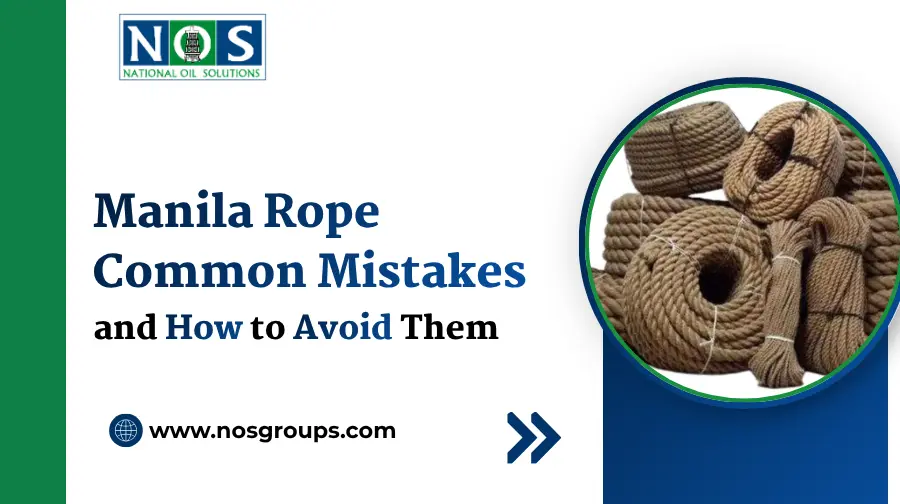
Manila Rope Common Mistakes and How to Avoid Them
Ignoring Manila rope common mistakes, like improper drying and storage, overloading the rope, not checking the manufacturer’s guidelines, and others, can lead to weak spots and serious safety failures. With proper handling, load control, and storage, you can avoid these mistakes and prevent rapid wear.
Manila rope handles tough jobs with ease, so they are used in many industrial applications. But it is made from natural fibers and needs extra care. If you treat it like a synthetic plastic rope, it can quickly wear out and shrink. From improper storage to choosing the wrong thickness, very small manila rope common mistakes can lead to big troubles.
The best part is that you can easily prevent these problems. Read on to learn about the most common mistakes that people make with Manila rope and how you can avoid them. With just a few smart adjustments, you can keep your projects safe and maximize the lifespan of your rope.
Table of Contents
What Is Manila Rope?
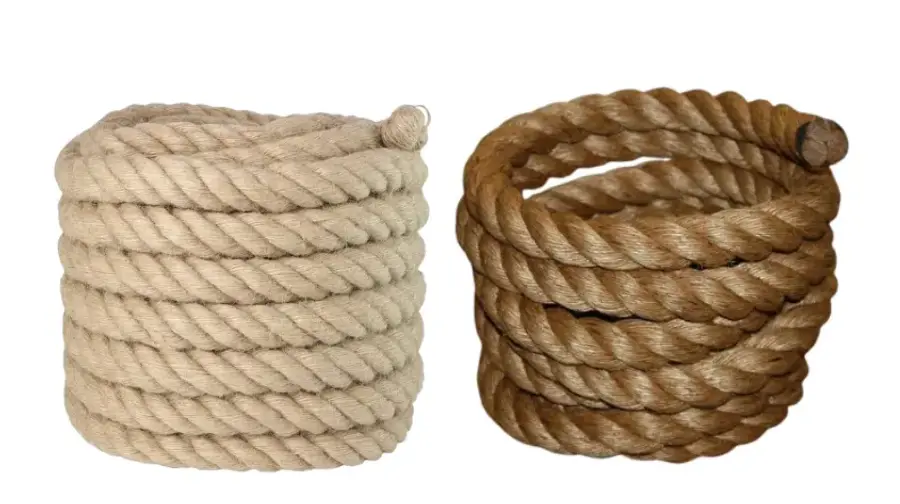
Before we learn about manila rope common mistakes that people make, let us learn key details about this special type of rope. This rope is a very popular type of natural rope made from the strong fibers of the abaca plant, which mostly grows in the Philippines. It is one of the strongest natural ropes available and can hold heavy loads securely, making it a perfect option for towing, lifting, and climbing.
Its rough texture makes it very easy to hold, preventing the risk of slipping, even when wet. This rope is used in many industrial applications due to its ability to withstand harsh conditions. Many people also use it for fencing, crafting, and in other ways in their homes and gardens because it has a classic, rustic look.
How to Avoid the 10 Manila Rope Common Mistakes
Learn about the 10 Manila rope common mistakes and how to avoid them:
| Mistake | What Can Happen | How to Avoid It |
| Not Checking Manufacturer’s Guidelines | You may exceed the rope’s safe load limit. | Check the manufacturer’s load and usage guidelines. |
| Overloading the Rope | Too much weight can damage the rope fibers. | Keep the load within the recommended SWL. |
| Using the Rope When Wet | Wet fibers can reduce the rope’s strength. | Let the rope dry before using it for heavy loads. |
| Harsh Chemicals & Rough Tools | They can damage or cut the rope fibers. | Avoid harmful chemicals and sharp surfaces. |
| Drying the Rope Improperly | Moisture can cause mold, mildew, and rot. | Air-dry the rope completely before storage. |
| Skipping Regular Inspections | Damage and weak spots may go unnoticed. | Check the rope before every use. |
| Ignoring Damaged Knots & Sections | Weak areas can fail under pressure. | Check knots and replace badly damaged sections. |
| Poor Storage Conditions | Dampness and sunlight can weaken the rope. | Store it in a cool, dry, well-ventilated place. |
| Improper Knotting & Rigging | Wrong knots can reduce rope strength. | Use the right knot and check the connections. |
| Sudden, High-Impact Loads | Sudden force can cause the rope to snap. | Apply tension slowly and avoid shock loads. |
Mistake 1: Ignoring the Manufacturer’s Guidelines
Most people never check the manufacturer’s guidelines before using the manila rope. When you guess how much weight your rope can hold without confirming the exact facts, sudden failures can occur. So, never ignore strength specifications, as they can vary from one batch to another due to variations in fiber quality and manufacturing process.
- How to Avoid It: Make sure you always read the manual or tag before using the rope for heavy lifting or securing tasks. When you know the true limits, you can prevent sudden and dangerous failures.
Mistake 2: Overloading the Rope
Exceeding the Safe Working Load (SWL) is another common mistake that people often make with Manila rope. Putting too much weight on the rope stretches and strains the natural fibers, causing them to snap without warning. Unlike some synthetic ropes that stretch and show visible signs of stress before falling, manila rope has very low elasticity.
- How to Avoid It: You should always calculate the total weight of your load and make sure it is well below the maximum recommended weight limit.
Mistake 3: Overestimating Strength When Wet
You must know that water changes how manila rope works under pressure. Its natural fibers absorb water easily, so the rope tends to shrink, swell, and change its load capacity. You must never assume a wet manila rope is as strong as a dry one. Water breaks down the hydrogen bonds in manila cellulose, causing it to lose 20-30% of its dry strength.
- How to Avoid It: You should reduce your safe working load calculations by around 30% when the rope is wet, or switch to a synthetic alternative like polyester. You should let the rope dry completely and check its condition before using it for heavy loads.
Mistake 4: Exposure to Harsh Chemicals & Using Abrasive Tools
Manila rope is made of natural plant material that degrades rapidly when exposed to harsh acids, cleaners, and bleaches. The chemical exposure breaks down the cellulose fibers in manila rope, causes irreversible damage, and makes the rope snap easily. Sharp or rough metal parts also scrape and cut the strands.
- How to Avoid It: Keep your rope away from chemical storage areas. You should use protective padding where the rope rubs against hard or sharp corners. You can smooth out sharp contact points to avoid damage. If chemical exposure is unavoidable, you can consider switching to synthetic alternatives.
Mistake 5: Drying the Rope Improperly
Moisture trapped inside its natural fibers can cause mold, rot, and mildew. This can destroy your rope from the inside out. If you often leave a wet rope bundled up in a dark, damp space, it will deteriorate quickly. So, proper drying is a key step to improve the rope’s safety and lifespan.
- How to Avoid It: To avoid the damage, you simply need to hang the rope to air-dry completely after it gets wet or dirty. Put it in a safe storage space when it is completely dry. Never use high heat, like a direct fire or heavy machine dryer, for drying the rope.



Mistake 6: Skipping Regular Inspections
You must note that manila ropes wear out slowly over time due to weather, friction, and even normal use. If you ignore regular inspections, you can miss early signs of wear, cuts, broken strands, and weak spots. These signs indicate weakening of rope fibers and a potential reduction in strength.
- How to Avoid It: You can easily avoid this common mistake by inspecting the entire length of the rope before every single use. Check for discoloration, frayed sections, or other damage, and if you spot any serious wear, you must replace it immediately to stay safe.
Mistake 7: Ignoring Damaged Knots & Sections
Leaving a bad knot tied too long or ignoring a frayed, swollen, or discolored part of the rope can lead to serious failures. Knots tighten hard under heavy loads and can crush or permanently bend the natural fibers. A damaged part is always a weak point that will snap first under pressure, so remove it immediately.
- How to Avoid It: You must cut out bad sections immediately. Regularly untie your knots after use and check those specific spots for deep wear. Discard the rope entirely if the core fibers look fuzzy or broken in multiple places.
Mistake 8: Storing the Rope in Improper Conditions
You should never store manila rope in damp basements, wet sheds, or under direct blazing sunlight, as all this can destroy the natural abaca fibers. UV rays make the material brittle, and humidity is the main cause of fast rotting. Improper storage also reduces its strength and shortens its usable life.
- How to Avoid It: Always store your coiled rope in a cool, dark, and dry space with good airflow. Proper storage prevents drying out, cracking, and growth of mildew over time. Most importantly, confirm the rope is completely dry before coiling and storing it.
Mistake 9: Improper Knot Tying & Rigging Methods
Learning proper knot-tying techniques and using the right rigging methods is important. This is because your rope’s strength is significantly affected by how you tie knots. So, using the wrong knot or rigging method can make your rope less secure. Even a properly tied knot can reduce manila rope strength by 40% to 50%. An incorrectly tied knot can make the rope fail under heavy tension.
- How to Avoid It: Learn and use strong nautical knots like the bowline or the clove hitch. Double-check the knot and all rigging connections carefully before putting heavy weight or pulling on the rope.
Mistake 10: Using it for Sudden, High-Impact Loads
Manila rope is not suited for handling sudden and high-impact loads. The main reason for this is that its natural fibers don’t stretch well under quick impacts, which can cause the rope to snap instantly. Unlike static loads that are constant and unchanging, dynamic loads are variable and unpredictable and place higher stress on the rope fibers.
- How to Avoid It: To avoid this, you must always apply tension smoothly and slowly. If your work involves sudden drops or heavy pulling shocks, you should use a specialized synthetic rope instead of manila rope.
Secure Premium Manila Ropes for Your Project
Understanding Manila rope common mistakes and following steps to avoid them can change everything for your daily operations. When you avoid errors like improper knotting, ignoring regular inspections, poor storage, and overloading, you can keep your team safe and make your ropes last much longer.
Invest in high-quality manila ropes and guide your team on proper care, what to check during inspections, and proper knotting techniques. Upgrade your safety standards with National Oil Groups, a top-rated Manila ropes supplier in Saudi Arabia. We provide top-grade manila ropes to our clients for their specific projects.
Our team helps with selection and trains your team on the proper care and usage methods. Connect with National Oil Groups, share your requirements, and find the perfect fit for your project.
Also Read – Rig Wash Chemicals in Saudi Arabia: Uses, Benefits & Applications