
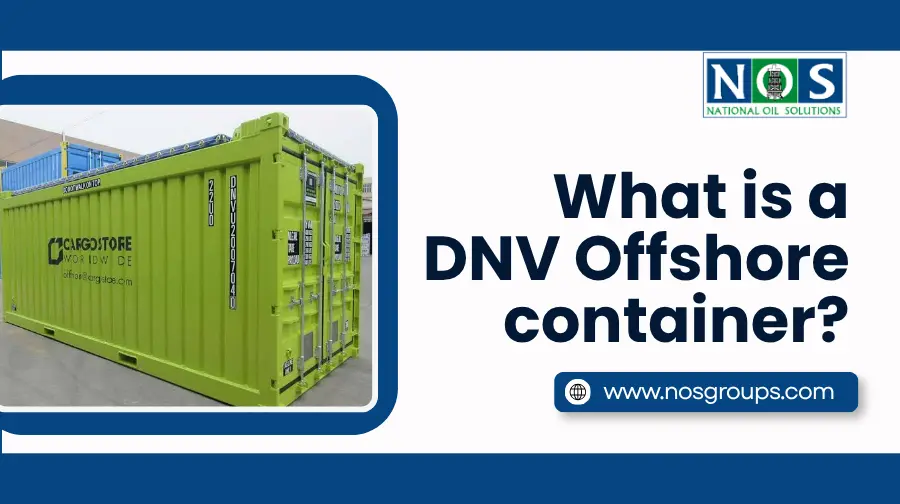
What is a DNV Offshore container?
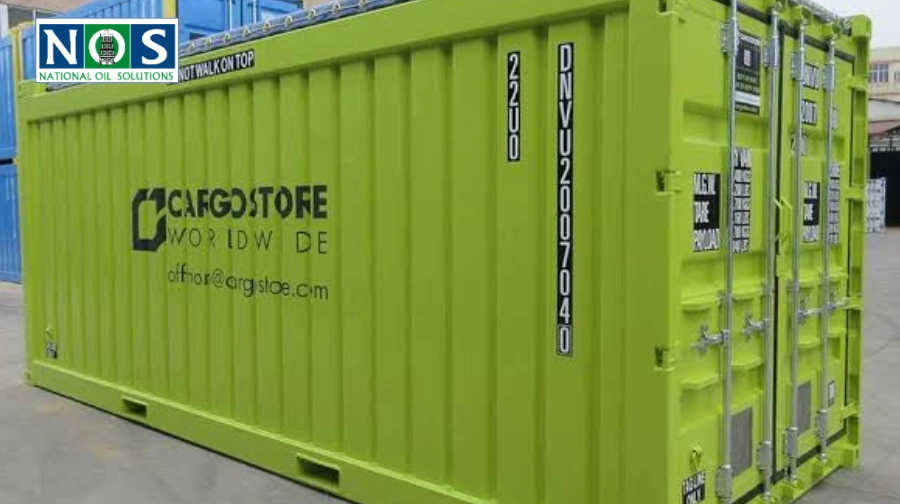
A DNV offshore container is a heavy-duty portable cargo or service unit built to carry supplies to oil rigs and ships. It is specially made to resist harsh maritime environments. Unlike standard containers, these pass strict safety and quality checks from DNV, mainly under the DNV 2.7-1 safety standard.
For Saudi businesses shipping goods across land, standard containers work perfectly. But working offshore and transporting equipment to open seas is a massive challenge. Huge waves and violent winds can easily damage standard containers. To solve this problem, the maritime industry relies on DNV containers in Saudi Arabia.
These special units are built under strict safety rules, so they are certified to survive the harshest marine conditions. Businesses across oil, gas, energy, and other sectors trust these containers for their project needs. Read on to learn what a DNV offshore container is, its types, how they differ from standard containers, and more.
Table of Contents
DNV Offshore Container: Main Types of Shipping Containers
DNV offshore containers are made from top-grade steel and must pass strict safety rules to get certified.
1. Offshore Freight Containers
These containers are used to transport general dry goods, bulk equipment, gas bottles, and standard cargo. They are made with strong steel frames and lifting points, so cranes can pick them up. They are used to carry tools and machinery supplies to remote offshore platforms.
2. Offshore Service Containers
These containers can be customized and used as temporary operational spaces, like mobile work rooms, testing labs, control stations, and accommodation cabins for projects. They often include special fireproofing and power supply setups to keep workers safe while working on distant rigs.
3. Offshore Waste Skip Containers
These containers are built to safely collect and transport general, food, or recyclable waste from oil rigs or marine sites. These containers are available in both closed and open-top designs. Once full, supply ships transport them back to land for safe disposal.
4. Offshore Tank Containers
These specialized pressure or fluid tanks are built to transport hazardous or non-hazardous liquids, chemicals, fuel, or potable water. Their special design prevents spills or leaks, and they are also called Intermediate Bulk Containers or IBCs.
5. Offshore Basket Containers
These are open-top steel baskets with low walls and are used to transport long, bulky, or irregularly shaped drilling tools and equipment with multiple internal lashing points. Their open design lets cranes load long gear like steel pipes and cables and unload them quickly.
6. Offshore Reefer Containers
These are temperature-controlled units that feature built-in refrigeration systems. Offshore crews use them to store and transport perishable and temperature-sensitive items like food, medicine, or frozen goods on long platform projects.
7. Offshore Workshop/Tool Containers
These heavy-duty storage and workspace units feature full-length slide doors, top covers, and interior fittings. They are used to safely organize and deploy maintenance tools and machinery. Their secure heavy doors lock tightly to protect valuable machinery from rust and water damage.
Standard ISO vs DNV Offshore Containers: Key Differences
Standard ISO containers are built for general intermodal freight transport on land, rail, and standard ships. However, DNV containers in Saudi Arabia are built for high-risk marine operations, oil rigs, and crane lifting.
| Feature | Standard ISO Container | DNV Offshore Container |
| Primary Use | Overland, rail, and standard ocean freight shipping. | Offshore oil rigs, marine platforms, and high-risk sea operations. |
| Core Standard | ISO 1496 | DNV 2.7-1, along with EN 12079 or ISO 10855 |
| Lifting Mechanism | Lifted from corner castings using spreader bars and port cranes | Pad eyes with permanently or semi-permanently attached certified sling sets |
| Structural Strength | Standard steel frame and corrugated walls for predictable loads | Heavy-duty reinforced frame built to handle impact, waves, and dynamic loads |
| Corrosion Protection | Standard marine-grade or commercial coatings | High-grade anti-corrosion marine coatings built for constant salt mist and weather |
| Transfer and Handling | Best for steady, predictable supply chains | Built for frequent ship-to-platform transfers in rough seas |
What Does the DNV 2.7-1 Standard Mean?
DNV 2.7-1 is an international standard of a strict set of global safety rules for designing, manufacturing, and testing offshore containers used on ships and oil rigs. It is issued by DNV (Det Norske Veritas), a Norway-based classification society known for ensuring the safety of ships and offshore units.
The standard covers everything from materials and welding to structural strength, lifting sets, marking, and data plates. It also explains the approval, testing, and inspection steps a DNV offshore container must pass before it can be certified for offshore use. Businesses trust DNV 2.7-1 certified containers, as they are built to handle repeated lifts and harsh marine conditions.



How Is a DNV Offshore Container Built to Last?
A DNV offshore container is built to last through certified marine-grade materials, rigorous third-party testing, and heavy-duty structural engineering under the DNV 2.7-1 standard.
1. High-Grade Materials & Traceability
- Certified Steel/Aluminium: These containers are made from high-strength steel or aluminium alloys that meet DNV requirements.
- Mill Sheet Verification: Every batch of metal comes with full records that can be traced back to the mill where it was made, so you know exactly what your container is built from.
2. Specialized Marine Welding
- Qualified Welders: Only trained and certified welders work on these containers, and they follow approved welding procedures.
- Non-Destructive Testing (NDT): Critical joints undergo visual checks and are tested with methods like ultrasonic testing to detect hidden flaws.
3. Dynamic Load Engineering
- Heavy-Duty Framing: Unlike standard ISO containers, these have stronger corner posts, heavy-duty floor structures, and built-in lifting pad eyes. This helps them handle sudden shocks when lifted by cranes on moving ships.
- Prototype Impact & Tilt Testing: A prototype unit is tested with loads of up to twice its Safe Working Load (SWL). It also goes through drop and tilt tests witnessed by a DNV surveyor.
4. Advanced Corrosion Protection
- Marine Paint Coating: These units go through multi-stage surface preparation, grit-blasting, and specialized high-build marine epoxy/polyurethane paint coatings. This protects them from high humidity, UV exposure, and other harsh conditions.
5. Ongoing Independent Surveillance
- Workshop Surveys: DNV inspectors visit manufacturing plants to check work quality and materials during production.
- Periodic Inspections: A DNV offshore container undergoes routine re-inspections during its working life to ensure the metal and structure remain safe for maritime use.
Applications of DNV Containers in Saudi Arabia
DNV containers in Saudi Arabia are used across offshore oil and gas fields, marine logistics, and industrial sectors.
| Application Area | Container Type | Key Use Case in Saudi Arabia |
| Offshore Oil & Gas Exploration | Dry Cargo & General Containers | Transport tools, spare parts, and rig equipment from shore bases to offshore platforms |
| Drilling & Pipe Handling | Half-height and open-top containers | Carry heavy items like drill pipes, valves, and machinery parts |
| Hazardous & Chemical Logistics | Tank & Specialized Containers | Move chemicals and drilling fluids safely under strict marine safety regulations |
| Temperature-Controlled Supply | Refrigerated (Reefer) Containers | Shipping food and temperature-sensitive items to offshore crews |
| On-Site Operational Support | Service & Accommodation Units (Workshops/Labs) | Work as mobile offshore workshops, labs, or rest areas on site |
| Renewable Energy & Infrastructure Projects | Flat Racks & Hanging Baskets | Transport oversize structural parts, cables, and construction equipment. |
How to Choose the Right DNV Offshore Container?
To choose the right DNV offshore containers for your project, you need to focus on some key points. When you connect with a trusted DNV container supplier like National Oil Groups, their team will help you select the right one based on your project needs.
1. Verify the Certification Standard
You must verify the container is certified. The certified DNV 2.7-1 marking confirms the container was built and tested to survive crashing impacts, freezing temperatures, and harsh conditions at sea. You must never use a container without this approved safety certification.
2. Match the Container Type to Cargo Geometry
You must choose a DNV offshore container shape that fits your specific cargo perfectly. For example, for long pipes or irregular machinery, choose open-top containers or flat racks. The right type keeps your items secure and prevents shifting during transit.
3. Check Weight Ratings & Load Limits
You must always confirm the maximum weight ratings and load limits before choosing DNV containers in Saudi Arabia for your projects. These containers must never be overloaded to avoid structural failure during lifting.
4. Inspect the Lifting Set
You must verify the container comes with certified pad eyes, shackles, and lifting slings for offshore marine use. You must check for rust, cracks, or frayed wires.
Upgrade Your Offshore Fleet with National Oil Groups
Get certified DNV offshore containers from National Oil Groups to keep your equipment safe, protect your workers, and follow global safety rules during projects in Saudi Arabia. Our team will help you make the right choice from our wide selection. Whether you need specialized skips or refers, we can help with any job requirements.
Also Read – Gate Valve Types: A Complete Guide to Different Types of Gate Valves