
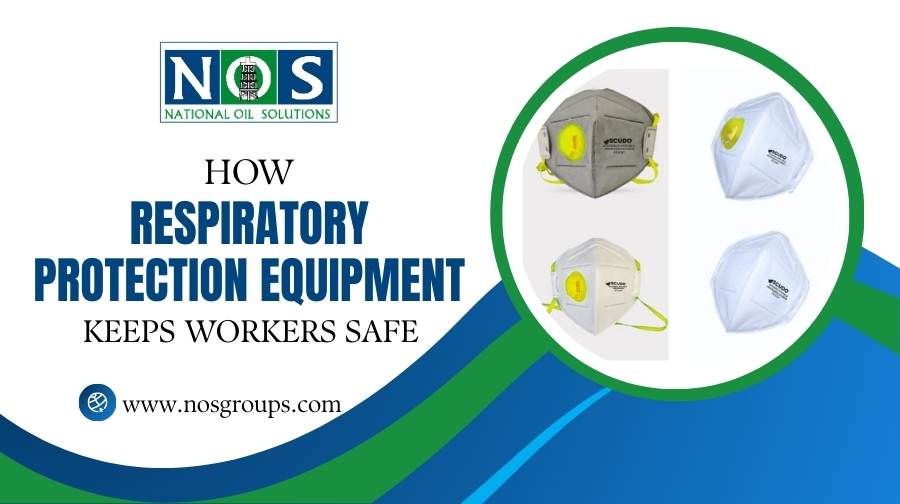
How Respiratory Protection Equipment Keeps Workers Safe – Complete Guide
Workers in several industries, including mining, construction, oilfield, and others, are always exposed to harmful particles. From dust to dangerous gases, many other types of airborne particles are present in their workplaces. These cause an invisible assault on workers’ lungs and cause serious health problems if they remain exposed to them for a long time. However, with reliable respiratory protection equipment, they can protect themselves from all types of hazards.
Those who think simple marks are enough for the invisible workplace hazards need to understand that these toxic materials can easily enter. Only specially designed RPE can provide you with proper protection from them. Keep reading to learn more about the role of respiratory protection equipment in protecting workers from serious health risks.
Table of Contents
What is Respiratory Protection Equipment?
RPE is a type of PPE that is specially designed to protect the wearer from inhaling harmful airborne substances, including dust, fumes, vapors, and gases. These are used in several industries where workers remain in constant exposure to all these hazardous substances. Businesses must understand that simple disposable masks can’t provide the required protection, and investing in reliable Protective breathing equipment is necessary.
Understanding Airborne Hazards in Risky Industries
If you think only visible workplace hazards can be dangerous for your workers’ safety, then you need to be aware of invisible, airborne harmful substances that can cause even more damage. Here are the most common types of hazards that everyone should know about:
1. Fine Particles & Dust
These may be small, but they cause great damage if ignored for a long time. These particles often come from processes like cutting and grinding, and can be mineral, metallic, and organic dusts. For example, workers in construction and precision manufacturing industries remain exposed to silicon dust and metal particles.
2. Toxic Vapors
Workers in the pharmaceutical industry are exposed to several toxic vapors throughout the production process. These fumes from solvents and chemicals not only cause dizziness, but can also lead to serious issues like liver damage, lung infection, and others.
3. Biological Hazards
Although Mother Nature offers us several benefits, workers operating in the agricultural industry who are regularly exposed to molds, spores, animal feed, etc., can get serious respiratory issues, like asthma, bronchitis, and even skin reactions.
4. Gases & Fumes
Those operating in oil refineries often ignore the dangerous invisible gases and vapors. These are not only colorless but also have no smell; however, their long-term exposure leads to serious lung and nerve problems.



Health Dangers of Breathing Toxic Substances
Now that we know about the common airborne toxic substances, we need to learn what health dangers these can lead to. You might think that they only affect your lungs, but they can seriously affect your overall body health.
Short-Term Effects of Breathing Toxic Substances
Several symptoms may appear if you get exposed to air filled with toxic substances for a short time. However, if the symptoms lead to dangerous health issues, you should immediately seek medical help.
- Breathing in chemical fumes or low-oxygen air can lead to dizziness and headaches. If you own a business in the pharma, chemical processing, and other industries, and your workers constantly work in poorly ventilated spaces, you need to invest in reliable RPE.
- Not just lungs, but your throat and eyes can get negatively affected by industrial gases, fine dust particles, and vapors. If your workers are complaining about symptoms like trouble breathing or burning eyes, you must not take it lightly.
- Airborne pollutants are also dangerous and affect gut health, and some initial symptoms are upset stomach and vomiting. Moreover, breathing in toxic gases makes you feel tired, weak, and out of breath.
Long-Term Effects of Breathing Toxic Substances
If you are already experiencing initial symptoms of breathing in harmful airborne substances, you must not ignore them. What appears to be a small problem initially can lead to several serious health issues. Business owners must make sure their workers have the required protection and quick access to emergency services.
- The most common serious effect of breathing toxic substances for a long time is lung diseases, like COPD. If you’re experiencing initial symptoms, like chronic cough, shortness of breath, unexplained weight loss, and chest pain, you must seek medical help before the damage becomes permanent.
- As we discussed, constant exposure to silica dust, benzene vapors, fibers, and fine particles leads to serious health issues. If you keep breathing these for a long time, you’re increasing the risks of lung cancer and other cancers related to the respiratory system.
- Besides these chronic respiratory diseases, extreme lung damage is caused by toxic gases. Workers operating in an environment with low oxygen or a fresh air source must be provided with effective respiratory protection equipment; otherwise, they can even lose their lives.

Main Types of Respiratory Protection Equipment
Now that we have learned the common health risks related to inhaling harmful airborne substances, we must understand the types of respiratory protection equipment available that provide superior protection against them. You must invest in specific RPE based on the level of exposure and type of toxic substance.
1. Half Face Masks
This RPE type is perfect for workers who are less exposed to toxic substances. This protects from dust, fumes, and other hazards by covering the nose and mouth. Businesses operating in woodworking and light manufacturing must invest in them. As they have APF 10, which means they reduce air contaminants by 10 times, they offer good protection, but you must make sure they fit properly.
2. Full Face Masks
Workers in the pharma, chemical processing, and precision manufacturing industries need complete protection for their nose, eyes, and mouth. So, you must invest in full-face masks with an APF of 50, and must make sure they fit your workers. They offer reliable protection against toxic vapors and chemical splashes.
3. Powered Air-Purifying Respirators (PAPRs)
These with an APF of 25 provide top-notch protection against airborne harmful substances to workers in pharma manufacturing plants, the agricultural sector, and many other branches of healthcare and research sectors. Your workers can comfortably wear them throughout the day, as they are designed to be comfortable for long-term use.
4. Self-Contained Breathing Apparatus (SCBA)
Those working in workplaces with very low oxygen, high asbestos levels, toxic gases, and no source of clean air must be provided with SCBA Worker respiratory safety equipment having an APF of 10,000. These are usually used by firefighters and other workers who provide emergency help services.
5. Welding Respirators
During welding operations, several toxic fumes are produced, like heavy metal fumes, ozone gas, and others. So, workers engaged in welding, grinding, and cutting operations should have access to these RPEs.
6. Supplied-Air Respirators (SARs)
These can be used in the workplace where the air is contaminated or filled with harmful substances, or there is a lack of oxygen. These are similar to SCBAs, but they provide a continuous and high-quality supply of breathable air through an external source.
Respiratory Protection Equipment Selection Guide
| Workplace Hazard | Recommended Respiratory Protection Equipment | Suitable Industries |
| Dust & Silica Particles | Half Face Respirator | Construction, Mining |
| Chemical Vapors | Full Face Respirator | Chemical Processing, Pharmaceuticals |
| Toxic Gases | Self-Contained Breathing Apparatus (SCBA) | Oil & Gas, Petrochemical |
| Welding Fumes | Welding Respirator | Manufacturing, Fabrication |
| Biological Hazards | Powered Air-Purifying Respirator (PAPR) | Healthcare, Laboratories |
| Oxygen-Deficient Areas | Supplied-Air Respirator (SAR) or SCBA | Confined Spaces, Industrial Plants |
| Paint & Solvent Vapors | Full Face Respirator | Automotive, Painting Industry |
| Dust, Fumes & Light Chemicals | Half Face Respirator with Appropriate Filters | General Manufacturing |
Top Industries Needing Respiratory Protection Equipment
Understanding the various types of respiratory protection equipment is important, but knowing where to use them is also necessary. Some industries are at a higher risk of respiratory health issues than others, as workers there remain in constant exposure to several airborne hazards.
1. Healthcare & Pharmaceuticals
Workers in these sectors remain exposed to pathogens and dangerous chemicals, so they need PARPs to protect themselves from infections and respiratory issues.
2. Manufacturing
From metal to textile and semiconductor, workers in different branches of the manufacturing industry are exposed to dust, chemicals, and harmful particles. They need durable respirators so that they can safely work under harsh conditions.
3. Mining
Miners deal with extreme dust exposure and several airborne hazards, making access to special respiratory protection equipment that can protect them from respiratory issues related to mining activities necessary.
4. Oil & Gas and Petrochemical
Those working in these industries are always exposed to toxic gases, so businesses must invest in RPE meeting the required safety standards. If this requirement is ignored, not only will their workers be affected, but they will also face severe legal issues for non-compliance.
5. Construction
Workers in this industry often encounter dust from silica and concrete. The airborne hazards on their job sites must not be ignored, and they must be provided with the right safety measures.
Workers in aerospace, energy, agri-tech, waste management, welding, agriculture, and firefighting industries also need specialized Protective breathing equipment.
Maintenance Tips for Respiratory Protection Equipment
Not only investing, but also proper maintenance of RPE is important to ensure workers’ safety from airborne hazards. Here are three simple but effective tips to keep them in good condition:
1. Inspect for Defects
You must regularly check RPE for any damage, like cracks or dirt on the facepiece. Also, the lenses of RPE must not be scratched or broken. If the head straps are broken, they must be replaced. If you hire new staff, then you should purchase RPE suitable for their fittings.
2. Regular Cleaning
You should make sure your workers always clean and sanitize their respiratory protection equipment before and after every use. They must be washed in warm water with a mild solution, as harsh solutions can damage them. Before storing, it must be ensured that all components are completely dry.
3. Store Safely
You simply provide your workers with a safe place to store their RPE. These must be sealed in a plastic bag or an air-tight container so that dust, moisture, and chemicals can’t cause any damage to them during storage.
How to Choose the Right Respiratory Protection Equipment
The selection of respirators should take into consideration the type and concentration of airborne contaminants, working environment, degree of protection needed, and time of exposure. The employers must also take into account whether the employees need protection against particles, gases, vapors, or oxygen deficiency in the atmosphere.
Consider these factors:
- Type of Threat: Establish what threats the staff may face: dust, fumes, gases, vapors, or biological ones.
- Level of Exposure: Take into consideration the degree of exposure of employees.
- Protection Level: Determine what type of equipment will be appropriate considering the threats found.
- Proper Fit: The right fit is crucial for efficient protection.
- Environmental Conditions: Consider the temperature, humidity, and any other working conditions.
- Maintenance: Determine whether the equipment requires replacement of filters and cartridges.
Get Reliable RPE Protection for Your Workers
Whether you operate in construction, mining, pharma, or any other industry where workers remain in constant exposure to airborne hazards, investing in advanced respiratory protection equipment is necessary. With National Oil Groups, a reliable supplier of top-quality RPE solutions, you can make sure your workers’ superior safety. We offer a range of RPE sourced from reliable manufacturers, so our clients never need to worry about compliance and safety standards. We even help our clients with guidance on how to provide their staff training to properly inspect, clean, and maintain. Make us your trusted partner to secure specialized RPE, ensuring a healthy work environment for your workers.
Also Read – Complete Guide to Eye Protection Solutions for Workplace Safety