
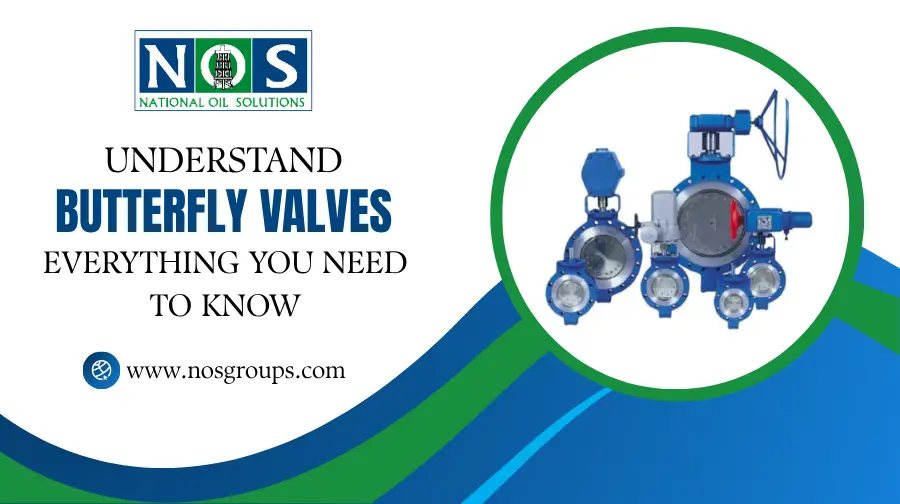
Understand Butterfly Valves: Everything You Need to Know
Butterfly valves are vital equipment in many commercial and industrial systems that manage the flow of liquids or gases. They have a lightweight construction, a simple design, and a rapid operational function, which makes them a suitable option for many industries. The cost efficiency and durability of the valve are conducive to both low and high-pressure applications.
There has been an increased demand for butterfly valves in Saudi Arabia in recent years due to a surge in infrastructure, energy, and manufacturing. Whether you are new to valve systems or looking to upgrade an existing valve system, knowing how a butterfly valve functions can help you make an informed decision. In this blog, we will look at all you need to know about butterfly valves, from types of valves to pros and cons of using butterfly valves, along with their applications.
Table of Contents
What Is a Butterfly Valve?
A butterfly valve is a type of flow control device used to stop, start, or slow down the flow of liquids or gases in a pipe. It has a round disc inside that turns only a quarter (90 degrees) to open or close the flow. This disc is connected to a rod, and when you turn the rod, the disc also makes a movement. When the disc is turned sideways (parallel), fluid flows through; when it’s flat (perpendicular), it stops the flow. Butterfly valves possess a lightweight structure, easy installation capabilities, and are cost-effective. Butterfly Valves Saudi Arabia are commonly used in industries where a quick shut-off is needed.

Key Components of a Butterfly Valve
Butterfly valves may look simple, but they are made of essential components that work together:
- Valve Body: The valve body is the outer shell that connects to the pipes and holds all the parts.
- Disc: This round plate inside the valve turns to control the flow of liquids or gases.
- Seat: The Seat is a soft material inside the valve that the disc presses against to stop flow completely.
- Stem: The Stem is a rod that connects the disc to the handle or actuator, which further allows the disc to move.
- Seals: These prevent leaks and keep the inside of the valve protected from damage by fluids.



Types of Butterfly Valves
There are different types of butterfly valves used for different needs in a range of sectors. Here is a complete overview:
1. Centric Design Butterfly Valve
This type of butterfly valve is the most common. The stem of a centric valve is located at the center of the disc, and the disc is placed at the center of the pipe. This type of valve is designed with a soft rubber seat to provide a tight seal. Its simple design makes it an economical valve option, and it works great for low to medium-pressure systems. Typical applications for this type of valve are in water supply systems and simple industrial applications.
2. Double Offset Butterfly Valve
The double offset butterfly valve is more advanced and has two points of offset: one is the location of the stem, and the other relates to how the disc is aligned within the valve. The uniqueness of this design allows for a lower coefficient of friction between the seat and the disc when fully opening and closing the valve. Because of this, a double offset valve will last longer and also withstand higher pressure than a centric type butterfly valve. This type of valve will be used in systems that require superior sealing and smoother operators, like oil, gas, and chemical applications.
3. Triple Offset Butterfly Valve
Triple offset valves are made for demanding conditions. The stem is placed behind the disc and also offset slightly to the side, which gives a third level of offset. This design permits the disc to seal using metal instead of rubber, which benefits very high temperatures and pressure applications. Triple offset valves are suitable for use in power plants, steam systems, and refineries, in cases where sealing is critical.
4. Damper Type Butterfly Valve
Damper valves are mainly used for air and gas flow control, rather than liquids. They are not meant to seal tightly, but are very good for flow control in large ventilation or exhaust systems. Damper valves can be seen in places like HVAC systems, chimneys, and industrial ovens that slow air pressure and flow.
Butterfly Valve Selection Guide
Selecting the proper butterfly valve is dependent on the fluid, operating pressure, temperature, pipeline size, and sealing needs. Here are some considerations before selecting a valve:
| Selection Factor | What to Consider |
| Fluid Type | Check whether the valve will handle water, air, chemicals, oil, or gas. |
| Pressure | Select a valve suitable for the system’s operating pressure. |
| Temperature | Choose the seat and valve material according to operating temperature. |
| Valve Type | Select centric, double offset, or triple offset based on the application. |
| Material | Consider stainless steel, carbon steel, or other suitable materials. |
| Operation | Choose manual, pneumatic, electric, or hydraulic operation as required. |
| Sealing | Consider soft-seat or metal-seat designs depending on the application. |
How Does the Butterfly Valve Work?
Butterfly valves operate by rotating a disc in the pipe to cause the flow to open or close. Smaller valves can be opened by a lever, which can lock into position. As the size of the valve increases, a gear wheel is typically added to allow the user to turn the disc more easily. In larger valve systems, there are sometimes actuators that can be electric, pneumatic (air), or hydraulic (liquid) based. These power-driven systems make it possible to move the disc with no labor effort by the user. In Butterfly Valves Saudi Arabia, both actuated and manual valves are used depending on their size and pressure within the oil & gas industry, water treatment industry, or air conditioning systems.
Applications of Butterfly Valves Across Various Sectors
Because of their ease of operation and compact size, butterfly valves are utilized in various industries. Below are some common application environments:
- Chemical and Petrochemical Plants: The corrosion-resistant characteristics of butterfly valves make them suitable for controlling the flow of strong chemicals and hazardous fluids while remaining safe and effective in operations.
- Power Generation: Butterfly valves are used in cooling systems and as a steam control valve because of their ability to withstand high pressures and high temperatures.
- Wastewater Treatment: Rubber-lined butterfly valves do not fail under dirty, rough, or viscous water conditions and chemicals, while remaining effective for extended periods.
- Food and Beverage Industry: Sanitary butterfly valves maintain sanitary conditions for liquids and avoid contamination in the food system.
- Water Supply and Irrigation: The simplicity and reliability of butterfly valves make them the best choice for controlling water to fields in agriculture and city pipeline systems.
- HVAC (Heating, Ventilation, and Air Conditioning): Butterfly valves allow for efficient control of air and water flow in a system for a building.
Conclusion
Butterfly valves are a smart, efficient, and cost-effective solution for regulating fluid flow through different systems. Their small form factor, quick operation, and capacity to handle multiple pressures and temperatures have made them a significant choice for industrial applications around the world. As industrial demands have grown within the Gulf, the Butterfly Valves Saudi Arabia market has expanded. Therefore, if you are thinking of updating your valve system or purchasing a new one, now is the time to look at this practical solution.
Looking for the best quality butterfly valves in Saudi Arabia? National Oil Groups is your trusted partner. We offer strong, reliable, and affordable butterfly valves for all types of industries. Even if you need valves for oil, gas, water, or industrial use, we have the right solution for you. Contact National Oil Groups today and get the perfect valve for your system.
Also Read: How Respiratory Protection Equipment Keeps Workers Safe