
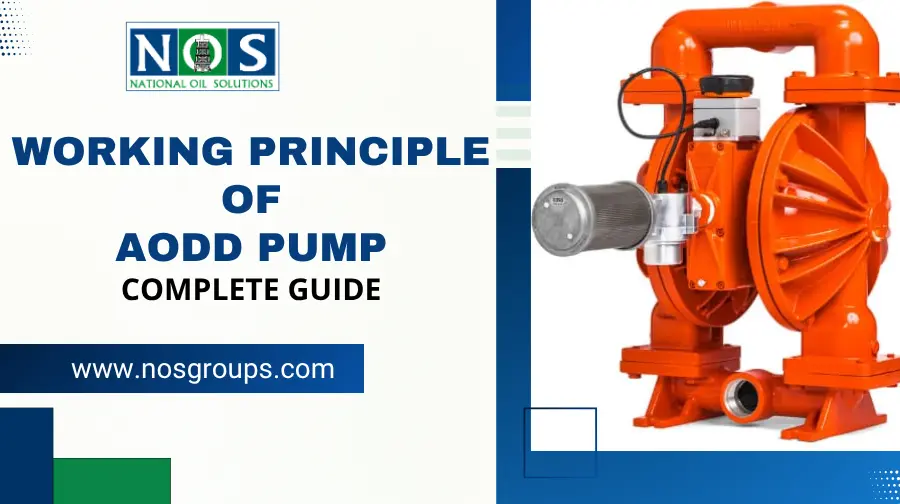
Working Principle of an AODD Pump: Complete Guide
An AODD is a positive displacement pump that uses compressed air to transfer fluids. This operates safely without electric motors and mechanical seals, which make it highly valuable in industries that handle highly viscous liquids, abrasive slurries, and hazardous chemicals. AODD pump working principle relies on two flexible diaphragms that create alternating suction and discharge cycles.
Many Saudi industries depend on AODD pumps, as they operate safely in harsh conditions. Whether you are managing chemical processing or oil and gas operations, these pumps guarantee high safety. They don’t need electricity to move and handle chemicals and corrosive liquids with ease. They remove the risk of sparks that make them a preferred option for flammable or hazardous locations. Continue reading this blog, as it features key details, including working principle of an AODD pump, its benefits, buying tips, and more.
Table of Contents
What is an AODD Pump?
Before understanding the working principles of an AODD pump, let us first know what is aodd pump and how it works. As we discussed above, this industrial pump doesn’t use electricity but uses compressed air to move liquid. The pump has two flexible diaphragms that move back and forth, as one pushes liquid out and the other pulls more liquid in.
- Air-Powered: There are no electric motors needed, making them incredibly safe to use in flammable areas.
- Self-Priming: These pumps can automatically pull liquid up from a lower level without needing the pump to be manually filled with fluid first.
- Handles Tough Liquids: They easily pump thick and sticky fluids, like chemicals, food pastes, and sludge, without causing any damage to the pump or clogging issues.
- Run-Dry Capability: Unlike other pumps, AODD doesn’t overheat or break down if it runs out of liquid.
- Adjustable: The best part is that you can easily control how fast or slow it pumps by changing the air pressure.



What Are the Key Components of an AODD Pump?
To understand the AODD pump working principle, you need to know about the key components of this special type of industrial pump. This reliable tool moves fluid using compressed air and is incredibly safe to use.
- Diaphragms: Two flexible membranes push and pull the fluid. These parts bend back and forth to create suction and discharge, which keeps the fluid moving.
- Air Valve System: This component is considered the brain of the pump and directs the compressed air alternately to each chamber for continuous back-and-forth motion.
- Ball Valves (Check Valves): These act as trap doors and lift up to let fluid in and shut tightly to prevent the fluid from flowing backward.
- Pump Chambers: These are hollow, bowl-like spaces where fluid collects before being pumped out.
- Central Shaft (Diaphragm Rod): It connects the two diaphragms, and as they are joined, the inward stroke of one diaphragm automatically creates the outward suction of the other.
- Manifolds (Inlet and Discharge): These are the connecting pipes. The inlet manifold directs the fluid into the pump, while the discharge manifold collects the pumped fluid and pushes it out to the destination.
- Pilot Valves: They detect when a diaphragm has reached the end of its stroke and signal the main air valve to switch the flow of compressed air.
- Outer Pump Casings (Pump Body): This is the heavy-duty outer shell that holds the pump’s inner parts, like balls and diaphragms, together. It is made of strong materials like stainless steel, aluminium, or plastic to safely handle different types of fluids.
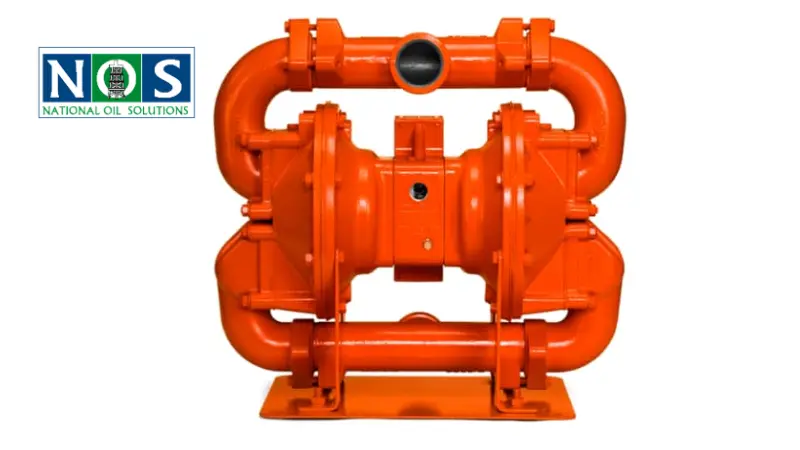
AODD Pump Working Principle: Explained in Simple Steps
The aodd pump working process uses compressed air to move fluids by continuously pulling and pushing two flexible diaphragms. The air pressure shifts back and forth and pushes one flexible barrier to push fluid out, and it pulls the other barrier to suck new fluid into the pump.
| Phase | Diaphragm 1 Status | Diaphragm 2 Status | Mechanism | Fluid Action |
| Discharge Stroke | Pushed outward | Pulled inward | Compressed air enters the first air chamber and pushes the diaphragm outward. | Fluid is forced out through the discharge port. |
| Suction Stroke | Pulled inward | Pushed outward | The connected shaft pulls the second diaphragm inward. | Vacuum draws fresh fluid into the second chamber through the inlet valve. |
| Air Valve Shift | Retracts | Expands | The air valve automatically redirects compressed air to the opposite chamber. | The discharge and suction sides reverse direction. |
| Cycle Reversal | Pulled inward | Pushed outward | Compressed air now pushes the second diaphragm outward while the first moves back. | The second chamber discharges fluid while the first chamber refills with liquid. |
- Air pushes the first diaphragm: The compressed air enters one side of the pump through the air valve. It pushes the diaphragm outward and forces the fluid out of the pump through the exit valve.
- The second diaphragm fills: As both diaphragms are connected by a metal rod, the movement of the first one pulls the second inward. This creates a vacuum that sucks new fluid into the second chamber or side.
- The air valve switches: Once the first barrier finishes its push, an internal air valve redirects the compressed air to the other side of the pump.
- The Cycle Reverses: The compressed air now pushes the second diaphragm out and pulls the first one in (refilling it). The process repeats continuously, creating a steady flow of fluid without needing motors.
Why AODD Pumps are Popular in KSA: Key Benefits
The main reason for the high popularity of AODD pumps in Saudi industries is their ability to run without electricity. In harsh working conditions in petrochemical plants, oil and gas fields, and construction sites, these pumps prevent electrical sparks.
- Safe for Hazardous Areas: As they use compressed air, there is no risk of electric sparks. This makes them very secure for the oil, gas, and chemical industries operating in KSA.
- Run Dry Without Damage: A unique thing about the AODD pump working principle is that it doesn’t break if it runs out of liquid. It keeps running dry without overheating or causing expensive damage.
- Versatility: These pumps can easily pump thick and gritty fluids without getting clogged or damaged. They work well with various types of fluids, making them highly popular.
- No Leaks or Seals: A major advantage of these pumps is that they don’t use complex mechanical seals that wear out and cause spills. They safely contain harsh chemicals and ensure workers’ and environmental protection.
- Easy to Use and Move: These pumps are lightweight and portable, so workers can quickly move and hook them up anywhere on a busy job site. Moreover, they deliver long-term effective performance while requiring very low maintenance.
Applications of AODD Pumps in Saudi Arabia
Across the KSA, industries depend heavily on AODD pumps. The demand for high-quality Wilden AODD pumps in Saudi Arabia is very high, as they are used in processing plants, oil fields, water treatment plants, and other facilities. These aodd pump applications make them suitable for handling a wide range of industrial fluids.
| Industry Sector |
|---|
| Industry Sector | Common Fluid Handled | Main Operational Benefit |
| Oil, Gas & Petrochemical | Crude oil, petroleum, acids, and volatile solvents. | Explosion-safe design prevents sparks in hazardous areas. |
| Water & Wastewater | Thick sludge, abrasive lime slurry, and wastewater. | Large solids pass through easily without clogging the pump. |
| Mining & Construction | Gritty pit water, drilling mud, and cement slurry. | Can run dry without damage when fluid levels run low. |
| Chemical Processing | Corrosive chemicals, caustic liquids, and polymers. | Sealless design completely eliminates dangerous fluid leaks. |
| Marine & Off-Shore | Seawater, oily water, and tank waste. | High suction lift pulls fluid easily from deep hulls. |
How to Select the Right AODD Pump for Your Application
Firstly, you need to understand the working principles of an AODD pump, then you can select the right pump for your facility based on your aodd pump applications. The wrong choice can lead to serious problems like leaks, poor flow, and broken parts.
- Fluid Type and Compatibility: You must know what type of fluid you will be pumping and must select pump casings and diaphragms that won’t get damaged when they touch the chemical.
- Viscosity and Solids: You have to choose the AODD pump for your application based on how thick your fluid is and if it contains solid particles. Trusted AODD pump suppliers like National Oil Groups can help you with this.
- Flow Rate: You must ensure you select a pump that matches your needs. Confirm how much fluid you need to move per minute and then select the pump size that meets your target flow rate.
- Temperature: Check both the temperature of the fluid and the surrounding work environment before choosing the pump. Materials like rubber and plastic have different heat limits, so your pump must handle the heat without cracking.
- Safety & Environment: You must ensure the pump you choose for your facility meets the required safety standards. If you are pumping flammable materials, working in an explosive space, or handling food or medicine processing, you need specially certified pumps.
Get a High-Quality Pumping Solution Today
Industry operations in KSA must select the right fluid transfer solution for their facilities. You must ensure that their safety, durability, and performance requirements are met in your working conditions. With National Oil Groups, you get premier AODD pump solutions that are especially designed to perform in harsh conditions and handle abrasive slurries.
Contact our team for expert guidance on what type of AODD pump is best for your application. We will help you find the perfect pump model for your industrial application, share smart maintenance tips, and explain each step in the AODD working principle. Secure high-quality AODD pumping solutions with clear tech guidance today.
Also Read – How Gate Valves Work: Complete Guide