
What Is a Pressure Transmitter? Working Principle, Types & Applications
A pressure transmitter is an industrial device that is used to measure the pressure of a gas or liquid. It turns that physical force into a standard electrical signal. This signal usually ranges from 4 to 20 mA so computers far away can display the numbers and run the machinery safely.
Have you ever thought about how factory workers make sure that machines keep running safely? If the pressure gets too high, the machines can break and cause serious damage and danger. To avoid such situations, a special sensor called a pressure transmitter is used.
This smart device measures the force of liquids and gases and changes it into an electrical signal. Business owners whose workers deal with high-pressure systems and applications must invest in this special sensor. Read on to learn about the pressure transmitter working principle, different types you can buy, and where industries use them.
Table of Contents
What Is Pressure Transmitter?
A pressure transmitter is a special sensor that checks the physical force of liquid or gas inside a pipe or tank. This smart device takes this physical pressure and changes it into an electrical signal that a remote control or computer system like a PLC can easily read. This electrical signal is usually 4 to 20 mA or 1 to 5 volts. This device helps industry workers safely track and control how much pressure is building up in their systems.
Three Core Components of a Pressure Transmitter
Before understanding the pressure transmitter working principle, let’s learn about the three main core components of this special device.
- Pressure Sensor: The sensor is the main element that detects the physical force of a liquid or gas. This component experiences physical changes like bending or squeezing and reacts to pressure drops and sudden spikes within a pipeline to start the measurement process.
- Signal Converter: The converter takes the weak physical reaction from the sensor and converts it into an electrical signal. It amplifies the electrical signal so it can be accurately processed without any errors.
- Transmitter: Finally, the transmitter receives the cleaned electrical signal and boosts it to travel long distances to control rooms. It standardizes the data into industry formats like 4-20 mA so computers and monitoring screens can easily read it.
Understanding the Pressure Transmitter Working Principle
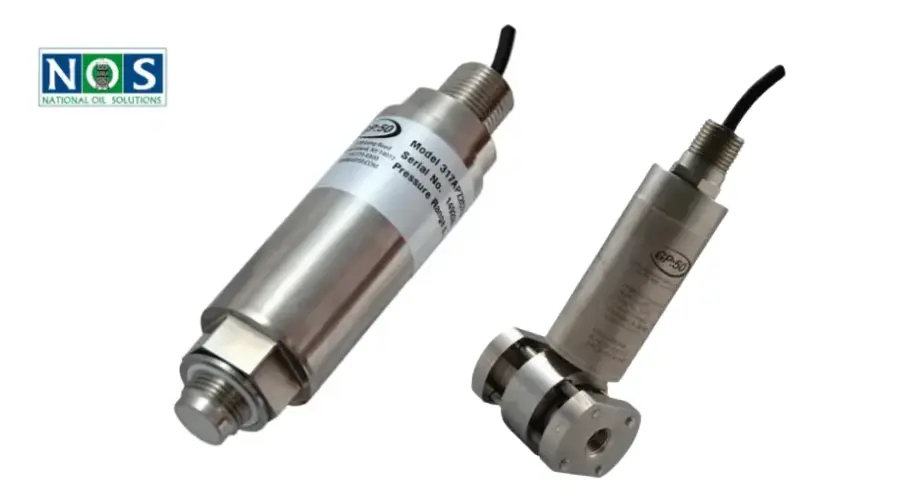
Learning the pressure transmitter working principle is a must to understand how does a pressure transmitter work. It continuously monitors the force exerted by liquids or gases inside a system and turns that raw pressure into accurate electrical data that computers can understand. The following steps will help you understand how it works:
1. The Push (Mechanical Input)
The process starts when the liquid or gas flowing through a pipe or sitting inside a tank pushes against a thin metal wall called a diaphragm. The diaphragm acts as the main protective barrier and the first point of contact for the pressure measurement.
2. The Bend (Physical Deformation)
As the pressure increases or decreases, it causes the thin metal wall to bend or deform by a tiny bit. Even the smallest changes or sudden spikes in the pipeline’s pressure cause a physical movement in this flexible internal wall.
3. The Detection (Sensor Reaction)
Small electronic sensors attached to the back of the diaphragm sense this bending. When the diaphragm bends, it stretches or compresses these sensors. This changes the path of electricity flowing through the sensors, creating a raw electrical variation.
4. The Conversion (Signal Conditioning)
A built-in microchip instantly processes the raw, weak electrical variation from the sensors. It automatically corrects any reading errors caused by extreme temperature shifts and cleans up any background noise or errors.
5. The Output (Standardized Transmission)
Lastly, the transmitter makes this clear data stronger and turns it into a standard signal, usually a 4- 20 mA current. This steady signal is powerful enough to travel long distances through wires to control rooms without losing accuracy. Then, it shows the exact pressure readings on the screens.
4 Key Features of a Pressure Transmitter
Now that you know what is pressure transmitter and its core components, let’s learn about the key features of this smart device. This device helps workers run and manage industrial machines safely.
- Accurate signal conversion: This device takes raw pressure and turns it into stable electrical signals like 4 to 20 mA. This uses advanced sensors and ensures the main control room gets accurate data on pressure levels.
- Real-Time Monitoring: This checks pressure changes instantly and provides continuous and live updates about pressure changes inside a pipeline or machinery. Operators see accurate data on screens, detect dangerous leaks, sudden drops, and blockages right away.
- Durable industrial design: These devices are built strong to withstand harsh conditions, like extreme heat and heavy vibrations. Their strong body keeps the internal parts safe and also prevents damage from chemicals and water.
- Wide Pressure Range: A major feature of a pressure transmitter is that it can handle very low vacuum pressures to extreme pressures with ease. So, operators don’t have to use different tools for different industrial tasks.



6 Main Types of Pressure Transmitter
Industry workers need different methods to track force depending on the working conditions and processes. To meet their needs, top-tier manufacturers design special transmitters that work differently. Here are the 6 main types of pressure transmitters you must know about:
| Pressure Transmitter Type | What It Measures | Common Use |
| Absolute Pressure Transmitter | Pressure against a vacuum reference | Aerospace and scientific applications |
| Gauge Pressure Transmitter | Pressure compared with atmospheric pressure | Water and industrial systems |
| Differential Pressure Transmitter | Pressure difference between two points | Flow and filter monitoring |
| Submersible Pressure Transmitter | Hydrostatic pressure at a specific depth | Tanks and water systems |
| High-Pressure Transmitter | Very high pressure levels | Hydraulic and heavy industrial systems |
| Digital Pressure Transmitter | Pressure converted into digital signals | Automated control systems |
- Absolute Pressure Transmitters: These devices measure pressure against a total vacuum zero point. These are used for precise scientific research and aerospace sealing tests. Unlike gauge models, their readings never change with weather or altitude shifts. This special design helps in tracking true baseline numbers when weather patterns quickly change normal atmospheric air readings.
- Gauge Pressure Transmitters: These transmitters measure force relative to ambient atmospheric pressure surrounding the equipment. They use ambient atmospheric pressure as their baseline, so they are perfect for monitoring liquid levels in open-top storage tanks. These are the most common types of pressure transmitter used in water plants.
- Differential Pressure Transmitters: They don’t use a fixed baseline but are used to measure the exact difference in force between two separate points in a system. They are designed to calculate fluid flow rates inside sealed tubes or detect filter blockages. This type of pressure transmitter is used to keep large air-conditioning systems running smoothly.
- Submersible Pressure Transmitters: These special transmitters are built with heavily armored, waterproof casings and are used to measure the pressure at the bottom of a tank. They calculate the fluid depth by measuring the hydrostatic pressure above them. They give accurate data even while wet and withstand harsh conditions.
- High-Pressure Transmitters: These are used to handle extreme force in heavy industrial and machinery setups. Workers use these pressure transmitters to prevent dangerous pipe bursts and keep high-power working zones secure for all. They provide vital safety data in environments like hydraulic machinery and underground gas storage facilities.
- Digital Pressure Transmitters: These convert pressure readings into digital signals and provide precise data to main computer control rooms. They have special built-in features like temperature corrections and self-diagnostics. These make them the perfect choice for applications that demand highly precise and error-free data.
6 Main Industrial Applications of Pressure Transmitter
Trusted pressure transmitter suppliers like National Oil Groups serve clients from various industries by providing top-grade products. This smart device is used in many industries:
- Oil and Gas Production: They monitor heavy pressure changes deep inside oil and gas pipes to detect sudden drops or blockages. This allows automated safety valves to shut down lines and prevent dangerous leaks.
- Water and Wastewater Treatment: These are used to track water levels in municipal tanks. They check how fast water moves through large pipes. These are also installed around heavy filters to detect clogs by checking pressure drop or changes.
- Chemical and Petrochemical Plants: These plants need exact and safe controls. These devices are made of special materials that don’t rust and safely measure dangerous and strong acids inside sealed tanks.
- Food and Beverage Industry: Trusted pressure transmitter suppliers like National Oil Groups also work with businesses in the F&B industry. Special hygienic pressure transmitters have flat and smooth diaphragms that are used to prevent food particles or bacteria from getting trapped inside the parts.
- Power Generation Facilities: Power plants use massive boilers and turbines that operate under immense heat and force. Transmitters help workers check pressure going to turbines and protect the machines from damage.
- HVAC and Building Automation: These transmitters are used to manage airflow and heating systems to keep indoor air clean and comfortable in large commercial buildings. They measure air pressure inside ventilation ducts to adjust fan speeds, reducing overall building energy waste.
Partner with National Oil Groups for Expert Solutions
By choosing the right pressure transmitter, you can keep your industrial systems safe and running well. This smart device turns pressure into clear data for your team and helps them avoid dangerous situations and accidents. If you are confused about which type will be the best for your project, you can connect with a trusted pressure transmitters supplier KSA.
When you choose National Oil Groups as your pressure transmitter supplier, you get expert help for precise selection based on your project needs and conditions. We make sure our clients only get high-quality products sourced from top manufacturers. Contact our team, share your details, and get fast and perfect solutions for your exact requirements.
Also Read – How to Choose the Best Climax Grease Supplier in KSA